Unraveling The Keys To A Smooth And Flavorful Cold Brew
As the summer sun beckons, coffee enthusiasts seek a refreshing and smooth alternative to their hot brews – enter cold brew coffee. Cold brew has surged in popularity, enticing taste buds with its rich and mellow flavors. But achieving a perfect cold brew requires more than just tossing coffee grounds in cold water and waiting. In this article, we will explore the keys to brewing great cold brew coffee, unlocking the secrets to a delightful chilled coffee experience.
Understanding The Cold Brew Process
Unlike traditional hot brewing methods, cold brew extracts flavors more slowly, resulting in a smoother and less acidic cup.
The Keys To Cold Brew Perfection
1. Quality Coffee Beans
As with any coffee preparation, the foundation of a great cold brew starts with high-quality coffee beans. Opt for freshly roasted, specialty-grade beans that suit your taste preferences. Single-origin beans often bring distinct flavor profiles, offering nuances that shine in the cold brew.
2. Coarse Grind Size
The grind size plays a crucial role in cold brew extraction. To avoid over-extraction and excessive bitterness, use a coarse grind. A consistent and even grind ensures uniform extraction and better control over the brewing process.
3. Coffee-To-Water Ratio
The coffee-to-water ratio is essential in achieving the right strength and concentration. A standard starting point is a 1:4 coffee-to-water ratio by weight. For example, use 1 cup of coffee grounds for 4 cups of water. Adjust the ratio to your taste preferences, keeping in mind that cold brew concentrate can be diluted with water or milk before serving.
4. Time And Patience
Cold brew is not a hurried affair. Allow the coffee grounds to steep for at least 12 to 24 hours for optimal extraction. Longer steeping times tend to enhance the smoothness and depth of the cold brew. Patience is the key to a well-rounded and flavorful cup.
5. Filter For Clarity
After steeping, filtering the cold brew is essential to remove any sediment and fines from the final product. A fine-mesh sieve, coffee filter, or specialized cold brew filter bag works effectively in achieving a clean and clear brew.
6. Dilution And Customization
Cold brew concentrate is intense and can be diluted to taste. The concentrate-to-water or milk ratio can be adjusted based on personal preferences, allowing you to fine-tune the strength and flavor to your liking.
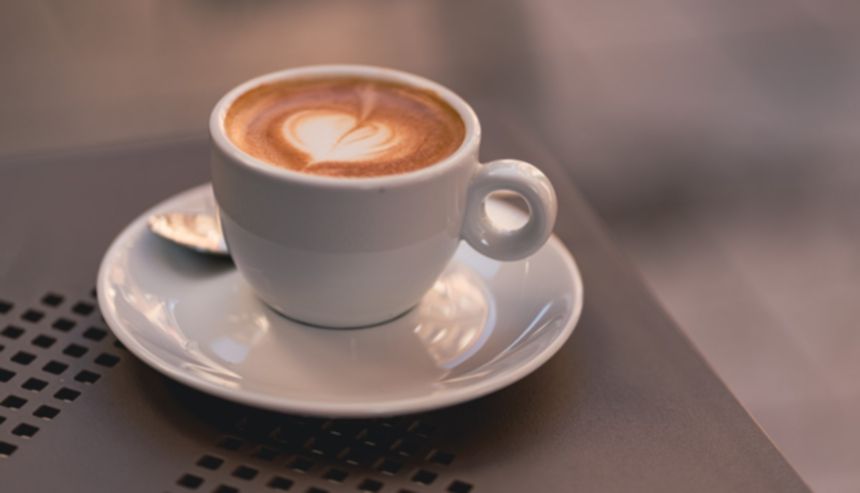
The difference between a macchiato and cold brew coffee lies in their brewing methods, flavor profiles, and serving temperatures. A macchiato is an espresso-based drink "stained" with a small amount of milk, offering a concentrated and bold flavor with a hint of sweetness. Cold brew is served chilled over ice, while a macchiato is typically served hot. These two coffee styles offer distinct taste experiences, catering to different preferences for strength, temperature, and flavor.
7. Experiment With Brew Time
The steeping time is not set in stone, and experimenting with different brew times can yield unique flavor profiles. Try brewing one batch for 12 hours and another for 24 hours to compare the taste and find your preferred balance.
8. Cold Brew Equipment
While cold brew can be made with minimal equipment, investing in dedicated cold brew makers or carafes can simplify the process and provide precise control over the brewing parameters. Such equipment often includes built-in filters and drip systems for easy brewing and storage.
9. Quality Water Matters
Water is a vital ingredient in coffee, and cold brew is no exception. Use clean, filtered water to ensure that impurities do not interfere with the coffee's flavors. The water-to-coffee ratio can also be adjusted based on the desired strength.
10. Cold Brew Storage
Once the cold brew is ready, store it properly to maintain freshness. Airtight containers in the refrigerator work well for storing cold brew concentrate for several days. Remember that cold brew is best consumed within a week for peak flavor.
The caffeine content of a macchiato and cold brew coffee can vary based on factors such as the coffee-to-water ratio and the type of beans used. Generally, an 8-ounce (240 ml) cup of a macchiato, made with a single shot of espresso and a small amount of milk, contains approximately 63-95 milligrams of caffeine. In contrast, an 8-ounce cup of cold brew coffee contains around 100-200 milligrams of caffeine, as cold brewing typically uses a higher coffee-to-water ratio and results in a more concentrated brew. As such, cold brew coffee generally has higher caffeine content than a macchiato, making it a popular choice for those seeking a stronger caffeine kick. Caffeine Calculator helps you measure and record the caffeine content of each cup of cold brew coffee.
11. Cold Brew And Ice
While cold brew is naturally served chilled, serving it over ice can further enhance the refreshing experience. Cold brew over ice is a popular way to beat the heat and enjoy a cooling coffee treat.
12. Experiment With Coffee Origins
Explore the world of coffee by trying different coffee origins in your cold brew. Each region's beans offer unique flavor notes, and cold brew allows these nuances to shine brightly.
Savoring The Cold Brew Experience
The beauty of cold brew lies in its versatility and adaptability to personal preferences. Its smooth and low-acidic nature makes it an ideal canvas for various coffee creations. Here are some popular cold brew variations to explore:
Cold Brew Concentrate:
Cold brew concentrate can be diluted with water, milk, or milk alternatives to create a milder and more refreshing cup. The concentrate is versatile and can serve as a base for various coffee beverages.
Cold Brew With Milk Or Cream:
Cold brew combined with milk or cream creates a delightful and creamy texture, perfect for those who enjoy a creamier coffee experience.
Cold Brew Mocktails:
Cold brew pairs wonderfully with various flavored syrups, spices, and herbs. Create your cold brew mocktails with a splash of vanilla, cinnamon, mint, or other flavorings.

Nitro Cold Brew:
Nitro cold brew takes the experience to the next level by infusing cold brew with nitrogen gas, creating a creamy and velvety texture akin to draught beer.
Cold Brew Cocktails:
For those seeking a spirited twist, cold brew can be used as a base for coffee cocktails. Mix it with liquor and other ingredients to craft coffee-infused libations.
Embrace The Cold Brew Craft
Cold brew coffee, with its smooth and refreshing qualities, is a delightful alternative to traditional hot coffee, especially during warm weather. The keys to brewing great cold brew lie in using quality coffee beans, controlling brewing time and ratios, and exploring different flavor variations.
So, the next time you crave a cool and invigorating coffee experience, embrace the art of crafting exceptional cold brew. Experiment with different coffee beans, brewing techniques, and flavorings to uncover the myriad possibilities of this beloved chilled coffee creation.
References:
A Beginner's Equipment List for Drip Coffee
